One day, 2.500 years ago…
…cultivated olive trees were growing just 15 km in a straight line from Vale do Pais lands, according to palynological (pollen) investigations in the River Tagus valleu. Abundant remains of Phoenician pottery have been found in the Tagus valley, close to Móron (now called Santarém). The Phoenicians traded extensively with that city and with Olisipon (Lisbon). They likely brought olive trees to the region.
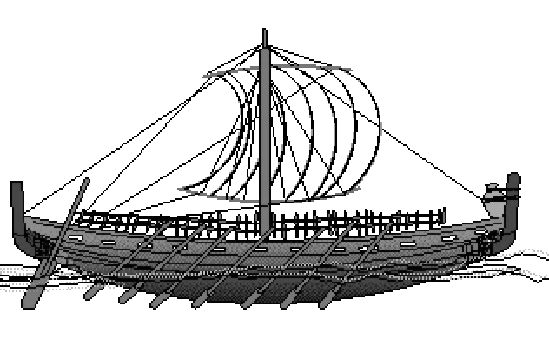
Three hundred years later, the Romans arrived here in the Tagus valley in Portugal, at that time called Lusitania. Lusitanian generals like Punicus and Caesarus defeated and were defeated by the Romans. After 55 years of wars (194BC-139BC) against the Lusitanians and their mobile guerilla cavalry units, the powerful Roman Senate aware that they had lost more battles than won, finally gave up and proposed peace to the Lusitanian general and noble Viriathus. But not before Viriathus had destroyed another Roman legion and captured their symbols, a deshonor punished by death by decimation imposed to the surviving defeated legion soldiers according to Roman law.
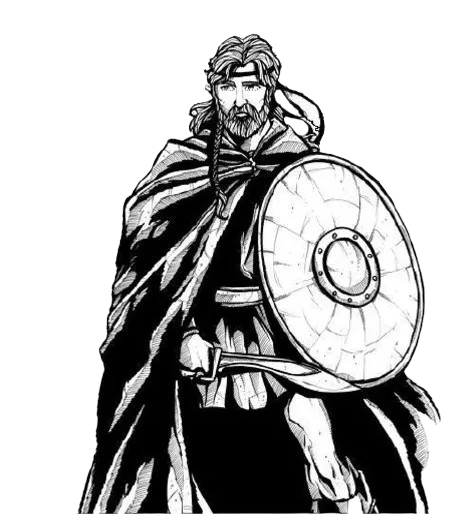
Viriathus, the Lusitanian noble, holding his Celtic machaera sword. He won peace by war over the Roman Empire.
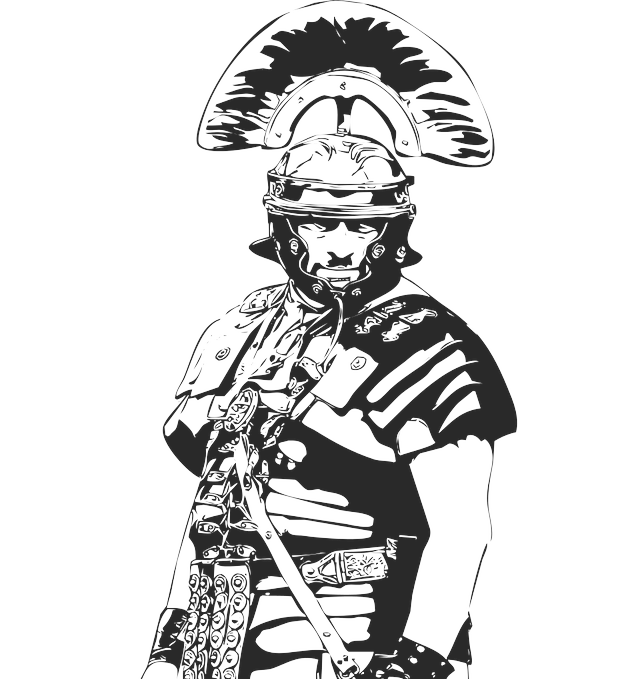
One of the losers, a Roman Centurion.
Viriathus took the captured Roman legion symbols in derisory parades along the Lusitanian towns, wrote Greek-Roman historian Apianus Alexandrinus (95AD-165AD). This was a triumphant achievement for the small yet fierce Lusitanian clans, the ancestors of the Portuguese people.
“And yet the country north of the Tagus, Lusitania, is the greatest of the nations in Hispania, and is the nation against which the Romans waged war for the longest times.”
— Greek geographer Strabo (64BC-24AD)
Once peace was established, the Roman Senate secretly conspired to eliminate him. Without Viriathus, and under Roman rule in major towns like Olisipon (Lisbon), the Lusitanians resumed their daily lives and businesses. However, the Romans never fully occupied every Lusitanian village in the rugged countryside. At present, all fine Extra-Virgin Olive Oil fans are welcome here, including citizens from the Roman Empire, from Galia, Germania, Ostarrîchi, Panonia, Helvetia, Byzantium, Scatinavia and other far away and exotic countries.
Quality olive oil was and is a valuable product. An inscription from 1AD-150AD found in Algeciras mentions Marcus Cassius Sempronianus from Olisipon and his wife Zoe Cassia. He was an olive oil decanter and trader.
Marcus Cassius Sempronianus Olisiponensis and his wife Zoe Cassia
We nicknamed him Semp and he is now our Chief Customer Service AI Officer (CSAO), available in the chat down at the right corner of every page at our website. He will help you with product information, promotions, coupons, shipment and how to purchase our Extra-Virgin Olive Oils and taste them.
You may also ask Semp about his life and family from 1.900 years ago. If he somehow has not the information you need, please ask him “I want to contact a human customer support” and he will help you to get in touch with us.
Get your Extra-Virgin Olive Oil with Ancient Origins



 English (UK)
  Français
  Deutsch